 Digital Onboarding
  AML
AML  Credit Analysis
  Card Issuance
  Payment Dispersion
  Notifications
  Collections
  Bill Payment
  Alternative Scoring
  Device Lock


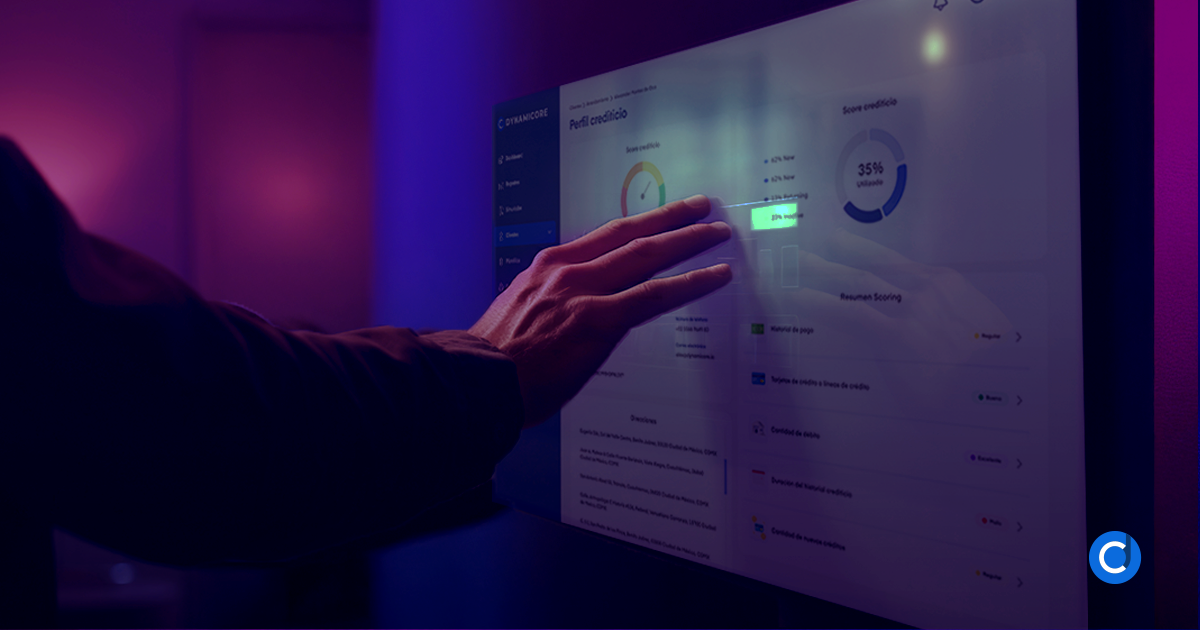
Legacy financial systems were designed for a different operating model. Over time, custom developments, disconnected databases, and manual workarounds make change slower and riskier. A modern financial core creates a foundation for controlled digital growth.
Common challenges of legacy systems
Slow product changes
Launching or modifying a product may require specialized development across several systems, increasing time to market.
Fragmented customer information
Teams work with different versions of balances, documents, and transaction history, producing rework and inconsistent decisions.
Manual operations
Reconciliation, approvals, reporting, and exception management often depend on spreadsheets and individual knowledge.
Difficult integrations
Point-to-point connections become fragile as the number of providers and channels grows.
Operational and security risk
Older platforms may limit visibility, access governance, monitoring, and the ability to apply updates efficiently.
What defines a modern core?
- Modular capabilities that can be adopted in phases.
- APIs for channels, fintech providers, and payment networks.
- Configurable products and business rules.
- Centralized data, permissions, and audit trails.
- Automation across the customer and product lifecycle.
- Scalable infrastructure and operational resilience.
Modernization without losing control
Replacing everything at once is not always the best approach. Institutions can prioritize the highest-impact journeys, define data migration and coexistence rules, test reconciliations, and move products in controlled stages.
A platform for gradual transformation
Dynamicore provides a modern, modular financial core that connects onboarding, credit, payments, collections, compliance, and reporting. Request a demo.